
JEP Studio
Why SXLA created JEP, and how learners move from a real challenge to knowledge, action and feedback.
Find out more
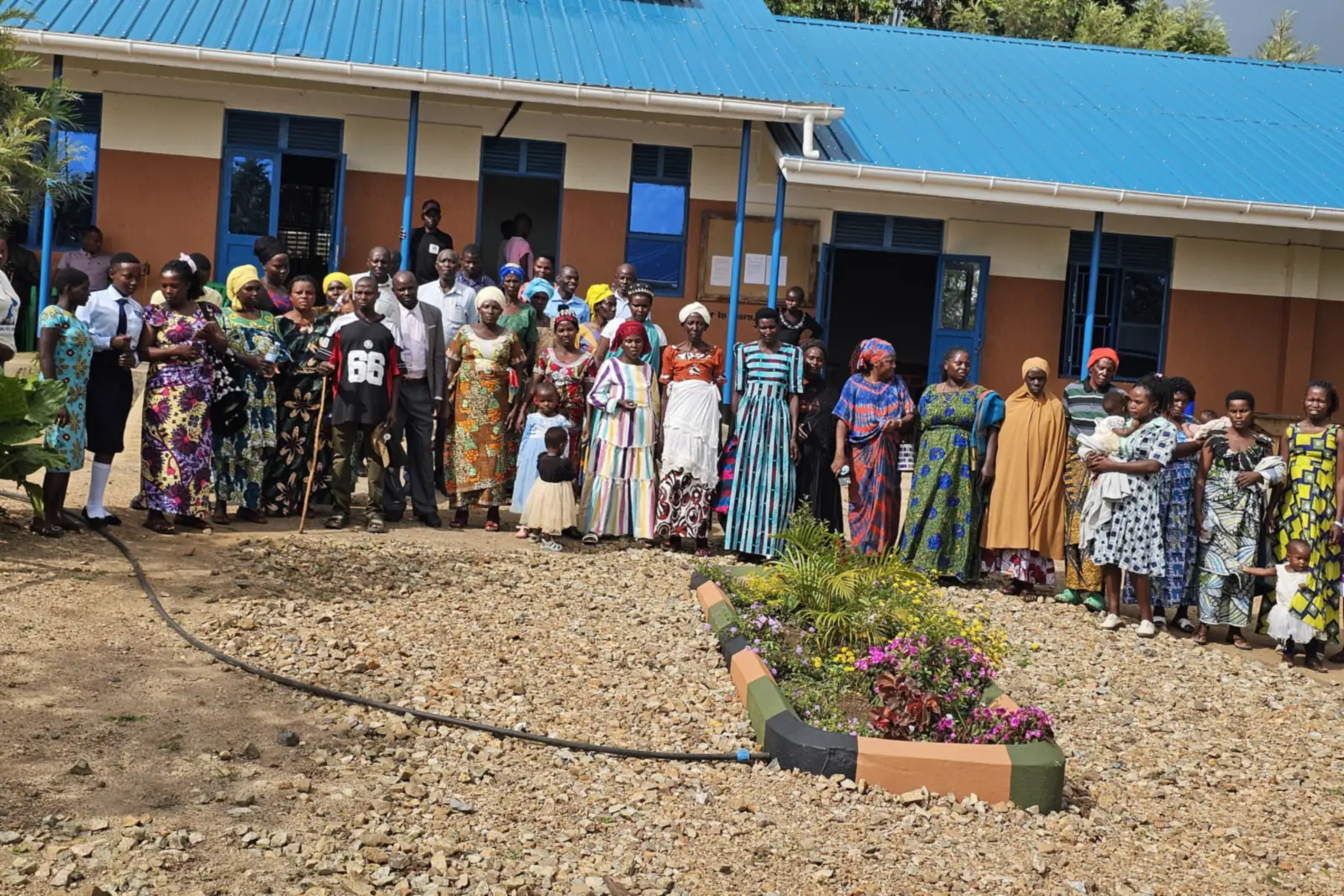
Four changes that turn learners' real challenges into learning, and how a school can adopt or adapt JEP. Schools can register interest now.
In development. Formal partnerships start only after the 2027 review at Spectrum.
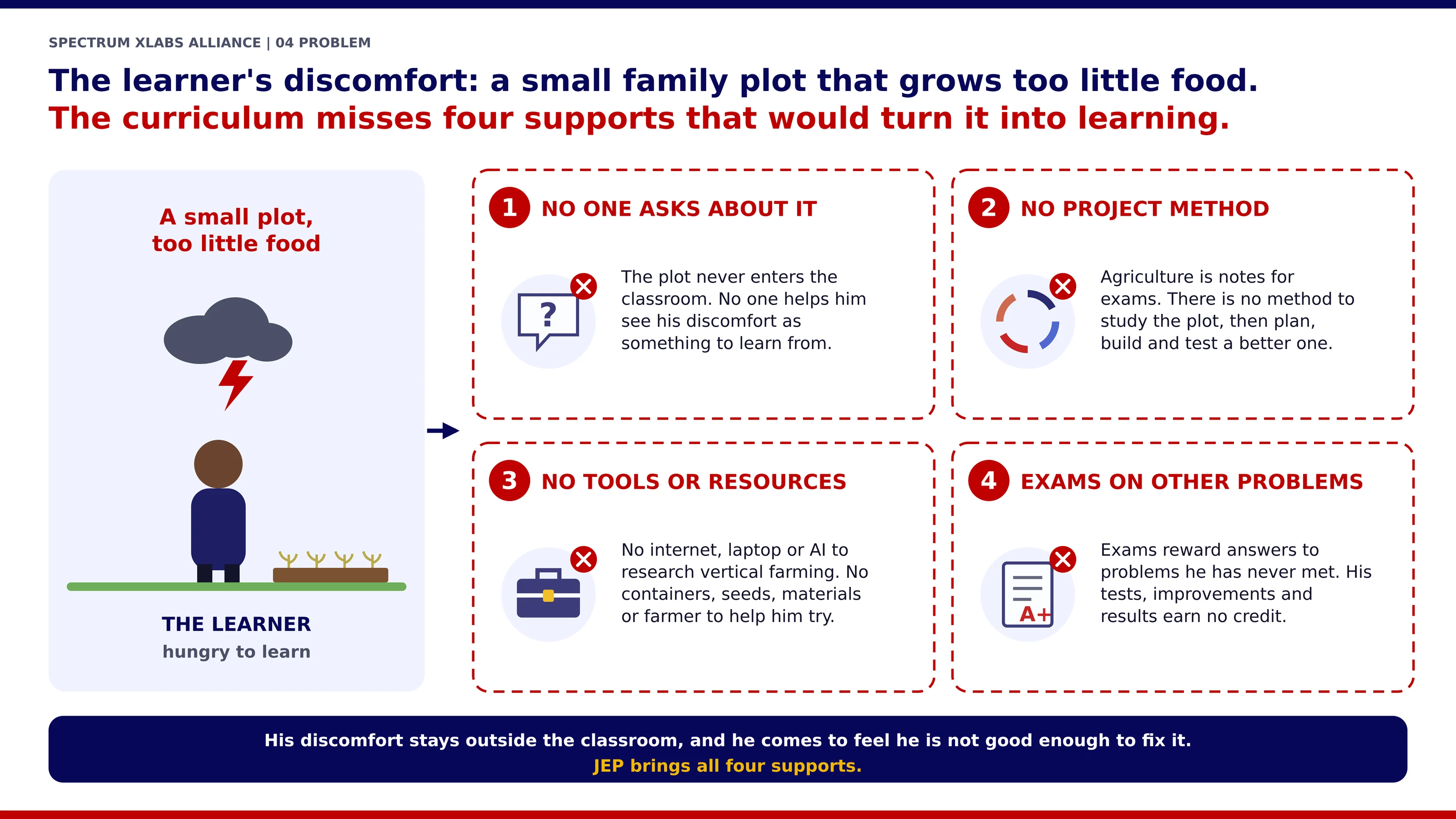
Most schools are missing four supports that turn a learner's discomfort into learning. These four changes answer them, as one model.
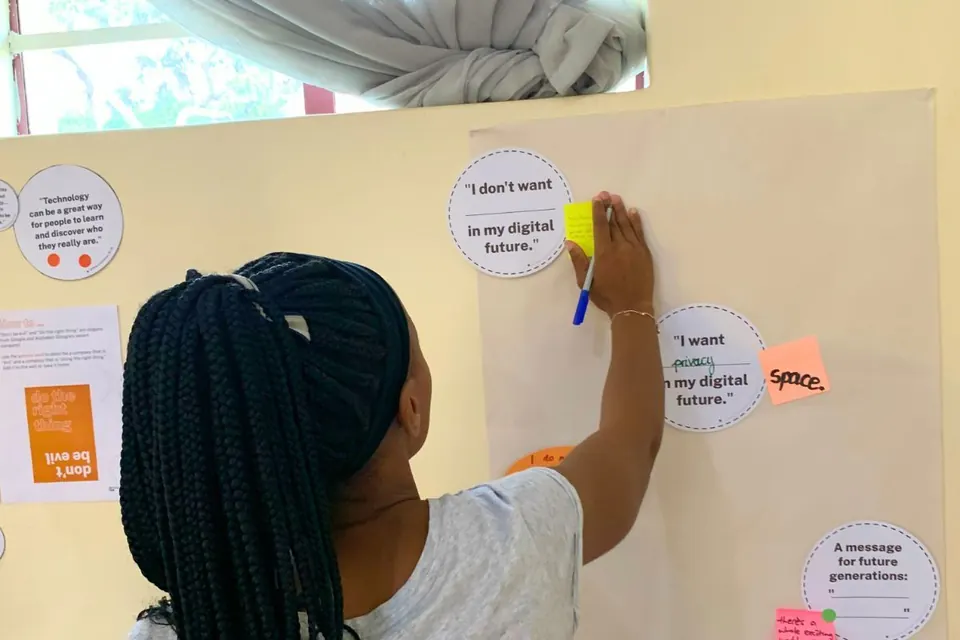
Teachers invite learners to name the challenges they live with, such as food, water, energy or income, and start learning there.
Project work follows one method, the JEP cycle of DISCERN, PROMPT, PROTOTYPE and FEEDBACK: study the problem, plan, build, test and improve.
Start with what is available locally. Expensive technology is not required to begin; devices and AI are added where they help, and checked. How Learners Choose Tools and AI
Recognise the reasoning, evidence, testing and improvement in learners' projects, within national curriculum and examination requirements. JEP complements them; it never disregards them.
The changes work together: a reason to learn, a method to study and test, the means to do it, and assessment that recognises the reasoning.
JEP does not replace the national curriculum, its examinations or teachers. It gives learners a reason to acquire and apply what the curriculum asks for.
 Select to enlarge
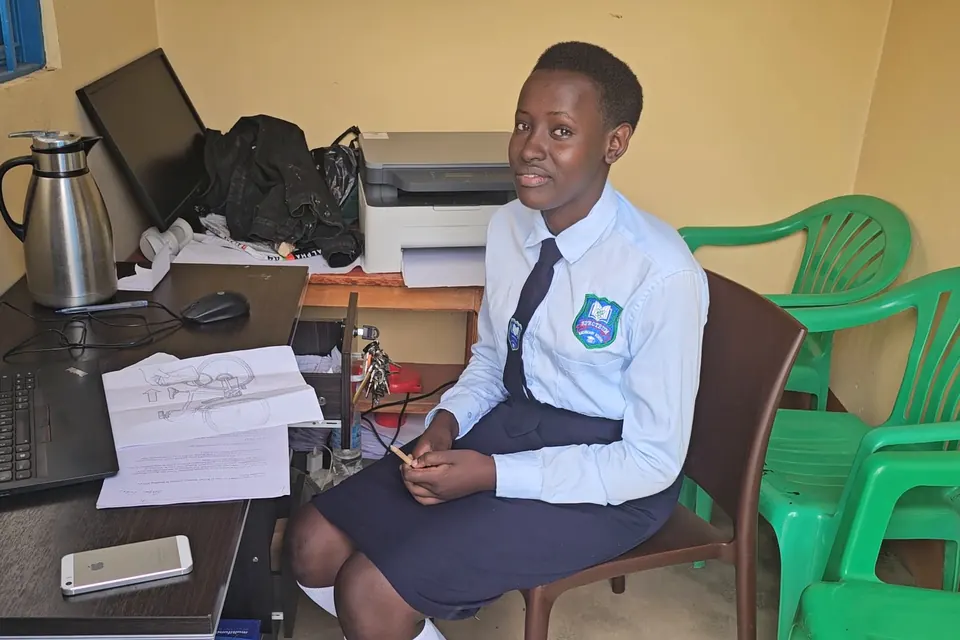
Spectrum Secondary School is the first school implementing JEP. A school can adopt it as it is, or adapt it: some things stay the same everywhere, others are for each school to decide.
Support from SXLA. SXLA supports schools through the 360° JEP Studio Toolkit: a curriculum for S1 to S4, teacher development, assessment, and the Hybrid Edge JEP Studio. How JEP Works
A school can begin JEP with what it already has. Devices and the internet extend what learners can do; they are not the starting point.
Noticing a real challenge, asking questions, the subject knowledge a teacher teaches, building with local materials, testing and feedback. Most of the JEP cycle runs without devices, and every activity is designed with a paper route.
Offline research in a digital library, digital tools and saving portfolio evidence. EDGE and the JEP Mobile Kit are specified to provide these without an internet connection.
Web research, cloud AI and remote mentors. In the JEP curriculum, cloud AI is for S3 and S4, with teacher approval and only where the provider's age rules allow it.
Teachers keep teaching their subjects. What changes is the starting point and the timing: lessons begin from a challenge learners have noticed, and the teacher teaches the knowledge it needs when learners need it. SXLA plans to support partner-school teachers with training, monthly coaching, facilitator guides and session observation.
The questions education officials ask most, each with a link to the detail.
JEP works inside Uganda's national curriculum and does not replace it. The competency-based curriculum asks for project work and school-based assessment; JEP offers a method for it, the cycle DISCERN, PROMPT, PROTOTYPE, FEEDBACK. The Gap JEP Addresses
Learners follow national curriculum and examination requirements. JEP assessment records the reasoning, evidence, testing and improvement in projects, alongside them. The Four Changes
Teachers teach the curriculum knowledge a project needs, question, check reasoning and give feedback. JEP does not replace teachers. How JEP Works
Today: JEP at Spectrum Secondary School, with 40 JEP Scholars, 10 laptops (5 working) and one portable Wi-Fi unit. Specified, not installed: the Hybrid Edge JEP Studio, EDGE and the JEP Mobile Kit. Planned: partner schools from 2029, after the 2027 review. Projects Overview
SXLA has a Safeguarding and Child Protection Policy. The Studio specification keeps learners' personal data on the school's own server, with parental consent, in line with Uganda's Data Protection and Privacy Act 2019. Safeguarding and Data Protection
SXLA's 2025 programme assessment is internal and not yet independently verified. A baseline and a comparison group start in 2027. See the Evidence
Status. JEP is delivered at Spectrum Secondary School alongside Uganda's national curriculum. This website does not claim any government review, approval, accreditation or endorsement of JEP. We welcome engagement with education authorities and can share supporting documents on request.
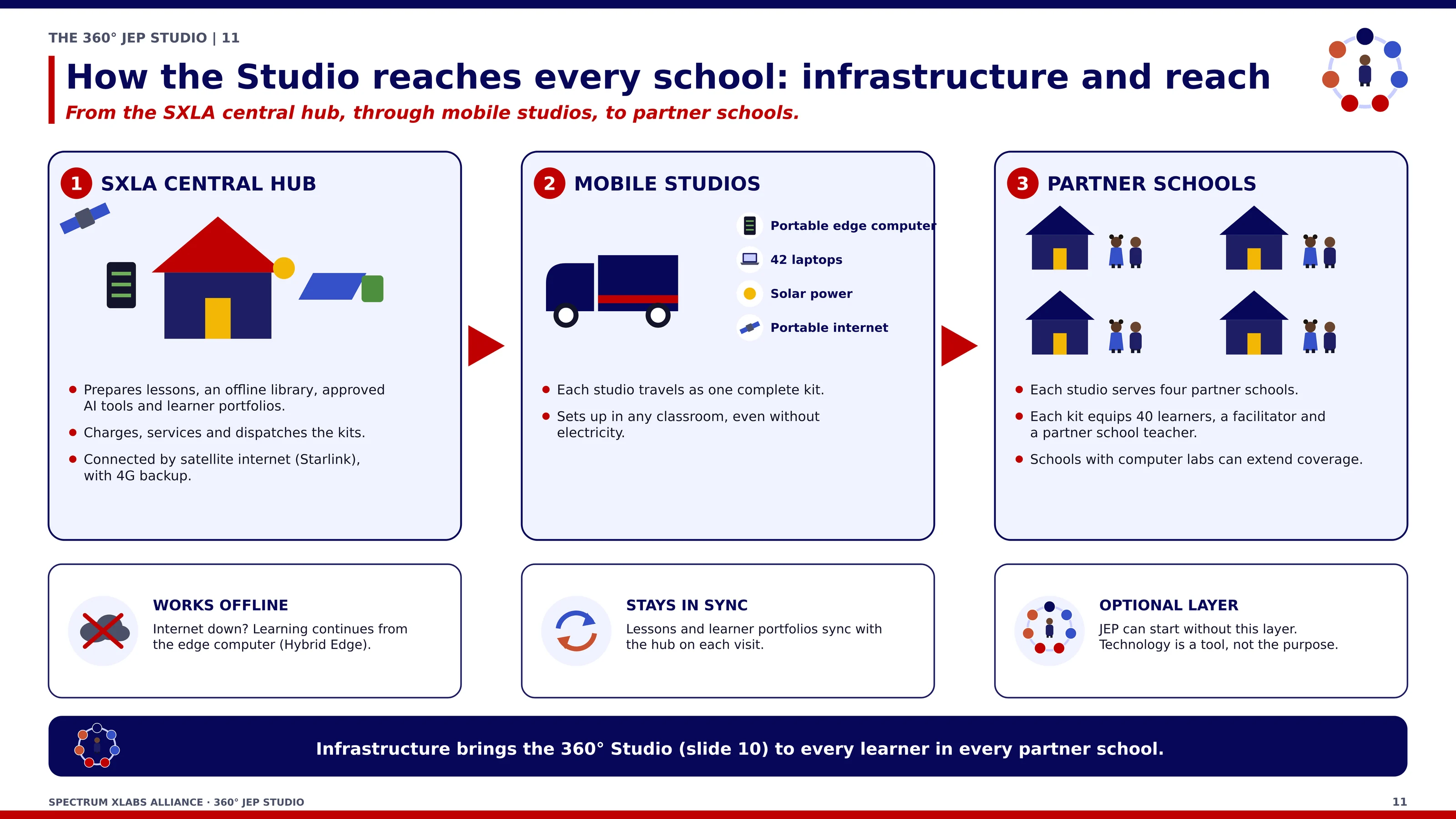
SXLA's approved design for reaching partner schools. Spectrum Secondary School becomes the hub. A mobile studio visits four partner schools on a weekly circuit, one school a day, and each school hosts a full studio week once a term for 40 JEP Scholars. Partnerships start only after the 2027 review at Spectrum. View Mobile Kit Specifications
The hub prepares content and kits. Each mobile studio serves four partner schools, and learning continues offline between visits.
 Select to enlarge
Schools can register interest now. Write to brainy@spectrumtechlabsalliance.org with "Bring JEP to our school" in the subject line, message us on WhatsApp, or use our contact form and choose "Bringing JEP to my school".
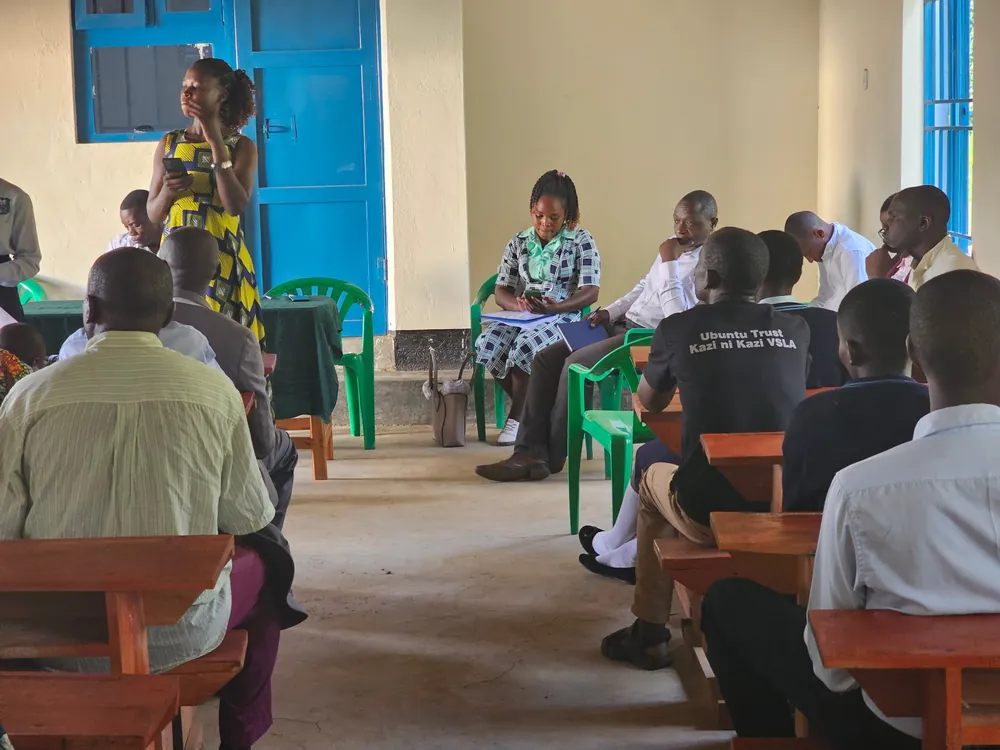
Why SXLA created JEP, and how learners move from a real challenge to knowledge, action and feedback.
Find out more
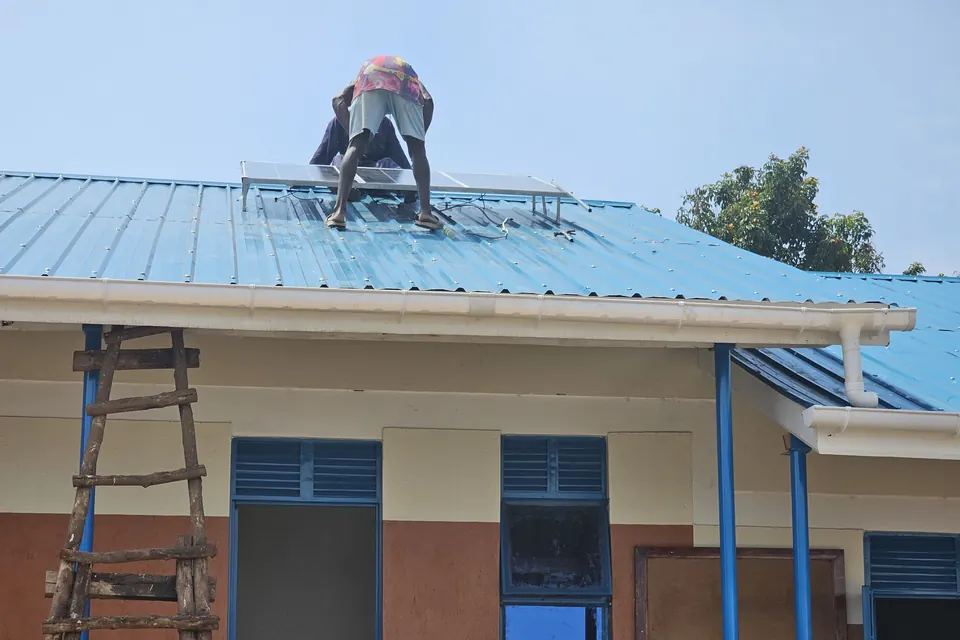
The Hybrid Edge JEP Studio: what it includes, and how it works with or without the Internet.
Find out more