JEP Studio
Why SXLA created JEP, and how learners move from a real challenge to knowledge, action and feedback.
Find out more
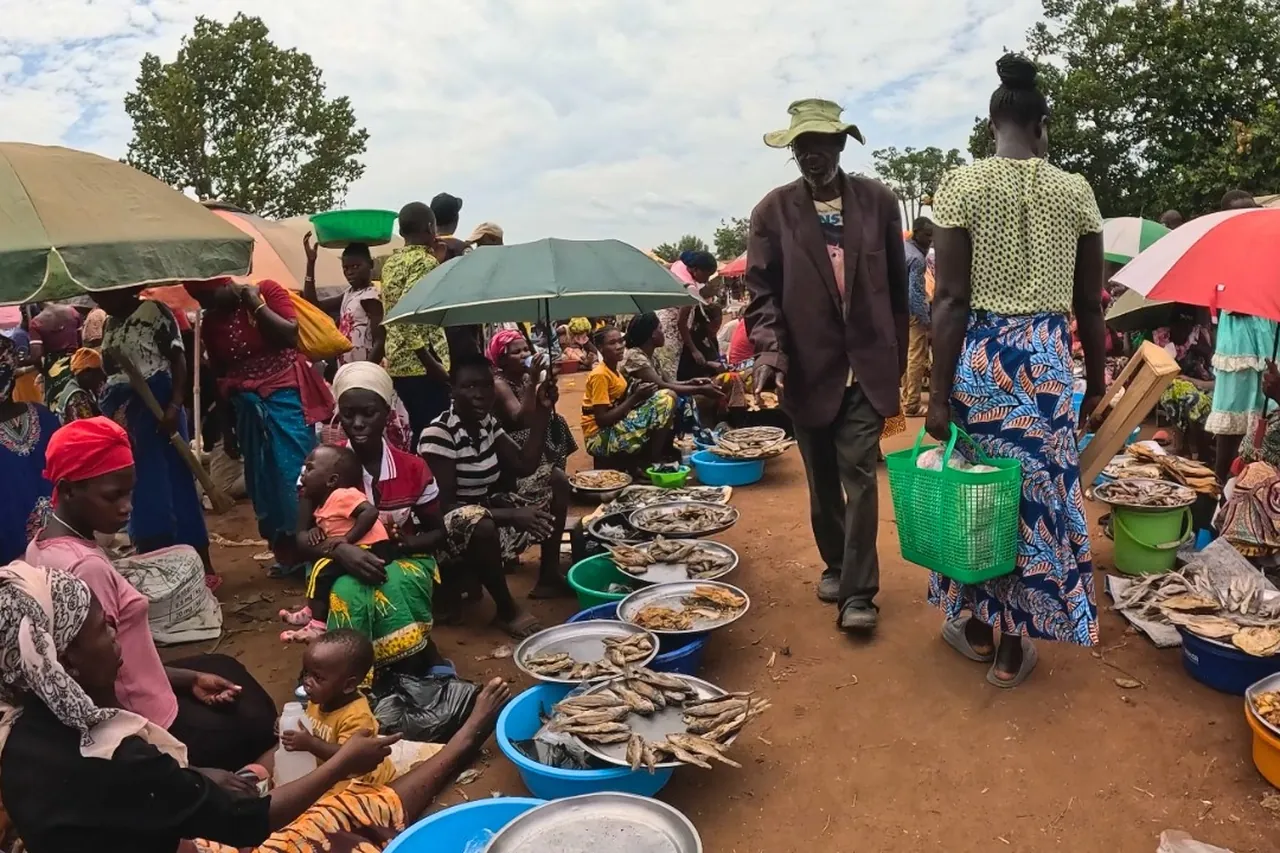
Learners can recall. They are not yet able to use what they know.
Uganda's competency-based curriculum (CBC) asks for project work and school-based assessment. Yet learners still leave able to recall, not yet able to use what they know, and their everyday challenges stay outside the classroom.
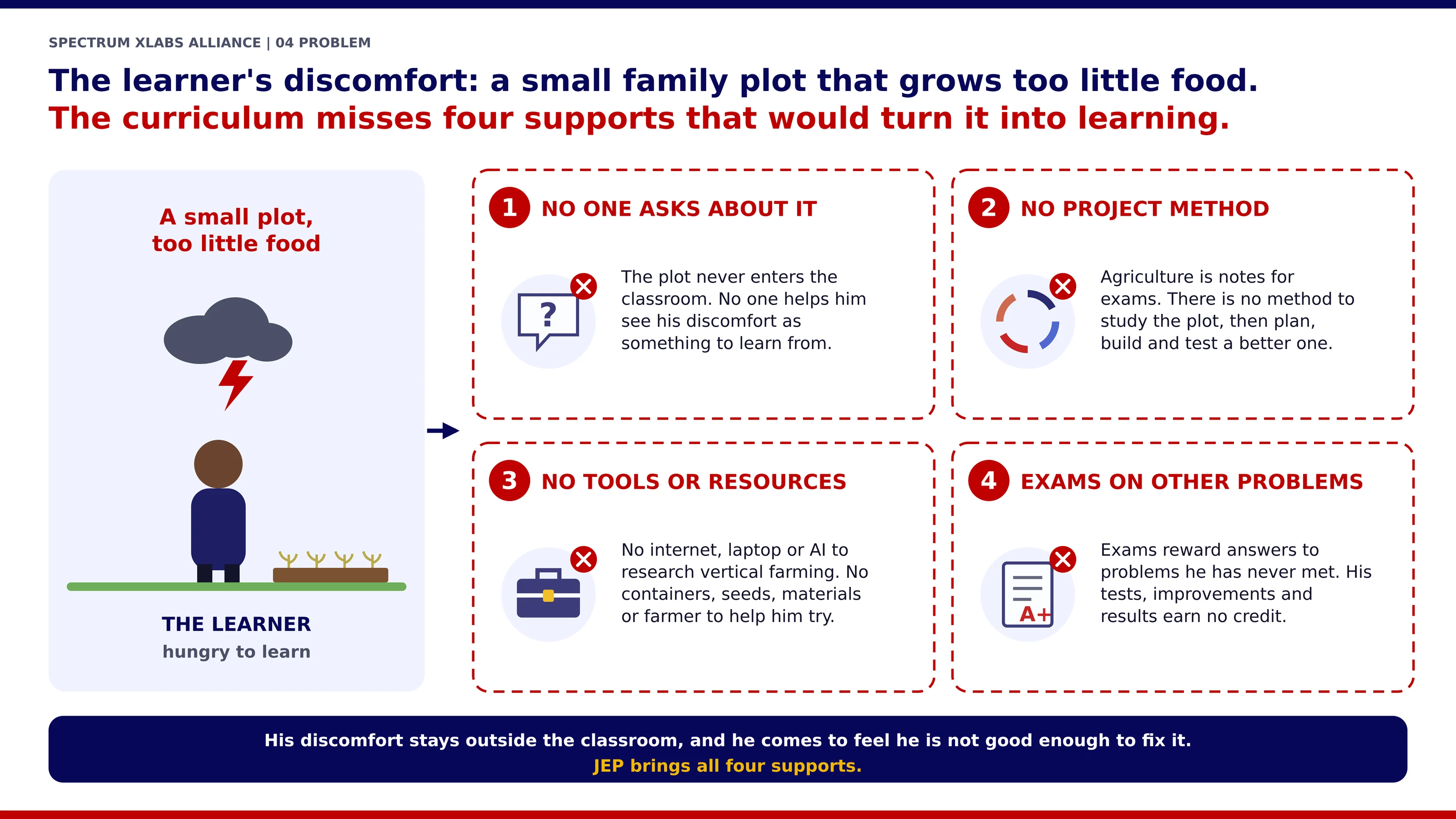
Four supports are missing. Without them, a learner's discomfort never becomes learning.
Part 1 of our theory of changeThe need: problem, people and reasonLearners' own challenges, such as a family plot that grows too little food, never enter the classroom.
Project work is required but has no method for noticing, finding out and testing.
Little access to tools, and no framework for choosing and checking them, including AI.
80% of the final result is a written exam (source pending verification), which rewards recall over verifying, testing and improving.
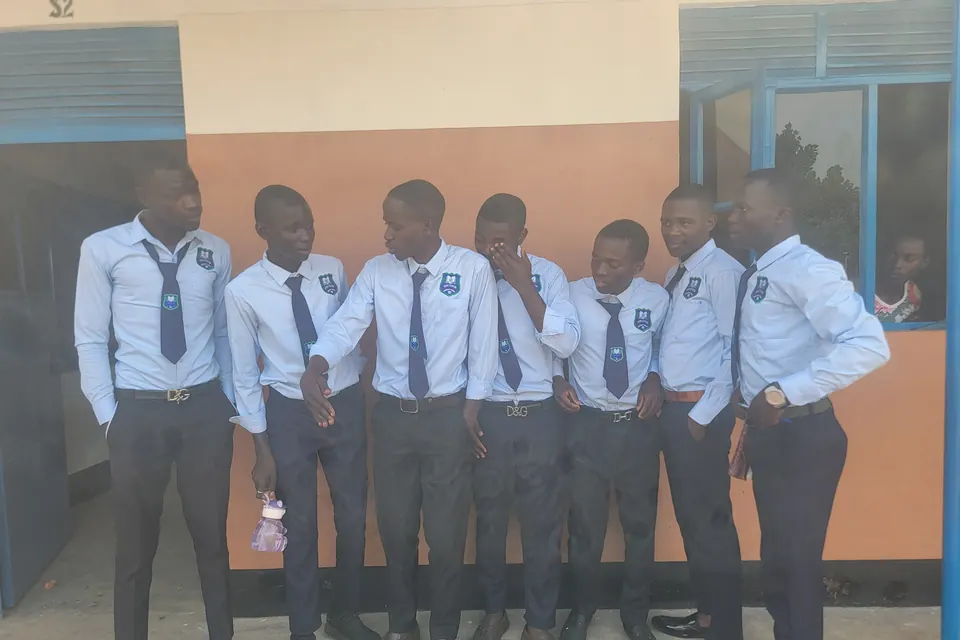
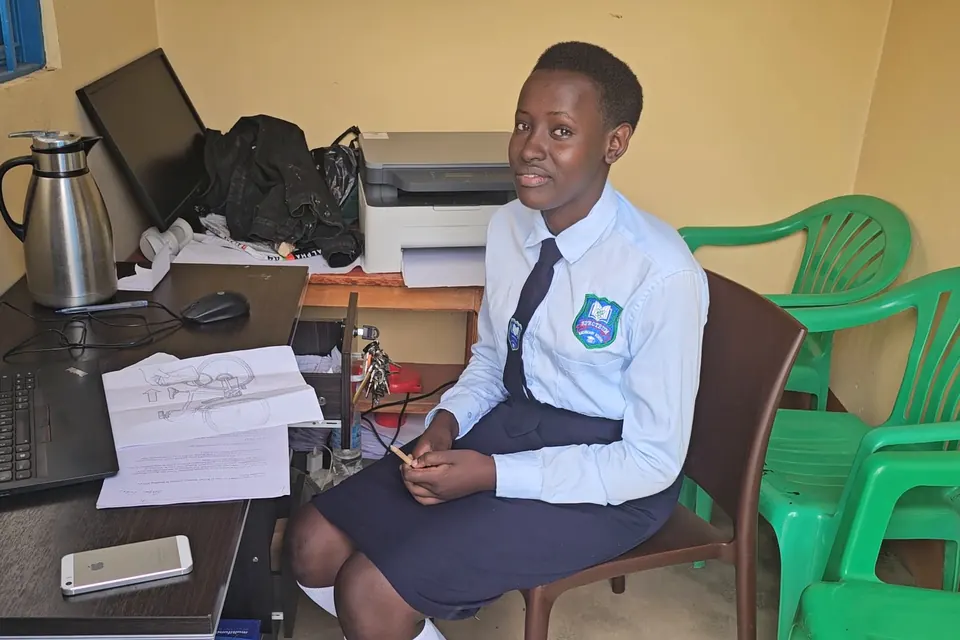
Secondary learners, S1 to S4, in Kyangwali Refugee Settlement and its host communities, studying together on the same curriculum.
Girls are affected most: 44% of S1 learners at Spectrum Secondary School, but 13% (4 of 31) in S4.
Source: Spectrum records, Term One 2026.
Kyangwali Refugee Settlement is in Kikuube District. Uganda includes refugees in national services, so refugee and host-community learners share schools.
A learner in S1 in 2026 finishes S4 in 2029 and moves on in 2030, when employers expect 39% of core skills to have changed (World Economic Forum projection).
A nationwide assessment of 3,276 secondary schools by UNICEF, the Association of Secondary Schools Headteachers of Uganda and the Ministry of Education and Sports, with Mastercard Foundation (November 2025 to early 2026), found that:
Why it matters: far more young people look for work than there are jobs, and most working people in Uganda work for themselves. JEP builds problem-solving and initiative for whatever path a learner takes. It does not assume every learner will become an entrepreneur, and entrepreneurship is no guarantee of employment.
The age groups differ between sources: the Census figures use 15 to 24 (the United Nations definition) and 18 to 30 (Uganda's National Youth Council Act). The NEET figure of 42.6% above is for ages 15 to 24; 50.9% is for ages 18 to 30.
This is SXLA's own analysis of why the gap persists, drawn from our work in Kyangwali.
Curriculum and assessment are still weighted towards recall and written exams.
Project work is expected, but there is no shared method for doing it well.
Technology is taught as a subject without the devices, power or connectivity to use it.
Teachers lack the training and tools to teach this way.
Poverty and distance keep learners out, and many girls leave before S4.
Employers surveyed for the Future of Jobs Report 2025 expect 39% of workers' core skills to change by 2030, a global projection. Analytical thinking leads; AI and big data, cybersecurity and technological literacy grow fastest, and creative thinking and curiosity are rising.
World Economic Forum, January 2025; more than 1,000 employers, 55 economies. Read Original Research (opens in a new tab)
Analytical thinking and problem-solving through projects.
A project method.
AI and big data, and technological literacy.
Devices, connectivity and a framework for choosing and checking tools.
Creative thinking, curiosity, resilience.
Assessment that rewards testing and improving.
Without change, learners in Kyangwali finish school prepared for exams, not for the work and problems of 2030, and talent in the settlement stays unused.
 Select to enlarge
The S1 cohort of 2027 graduates in 2030. What they meet in school over the next four years shapes the skills, tools and mindset they leave with.
JEP answers each missing support: real challenges in the classroom, a project method, a way to choose and check tools, and assessment that rewards testing and improving. The Hybrid Edge JEP Studio is specified to work offline first.
Kyangwali population figures: UNHCR and OPM proGres population dashboard (28 February 2026) and UNHCR and OPM (30 September 2026). Spectrum figures: Spectrum records, Term One 2026. The exam weighting figure is pending verification.
Why SXLA created JEP, and how learners move from a real challenge to knowledge, action and feedback.
Find out more

The Hybrid Edge JEP Studio: what it includes, and how it works with or without the Internet.
Find out more